
Luxury real estate in Abu Dhabi
has become more than just a property investment—it’s a reflection of one’s status, personal brand, and aspirations. As the emirate rises as a global hub for premium living, understanding the mindset behind affluent buyers is key to capturing their attention and earning their trust.
1. Exclusivity as a Psychological Trigger
For elite clients, purchasing property isn’t just a transaction—it’s a declaration of belonging to an exceptional circle. This desire for exclusivity is evident in locations like Saadiyat Island, Al Gurm, and Hudayriyat Island, where privacy, nature, and architecture merge to create unmatched living environments.
These areas are carefully planned to offer gated access, private beach fronts, and curated community experiences. Buyers are drawn to developments with limited inventory—think signature villas, limited sea-view plots, or branded penthouses—because scarcity amplifies perceived value. It’s not about having a home; it’s about owning what others can’t.
2. The Power of Story-Driven Marketing
When marketing luxury real estate in Abu Dhabi, the focus isn’t on specs—it’s on storytelling.
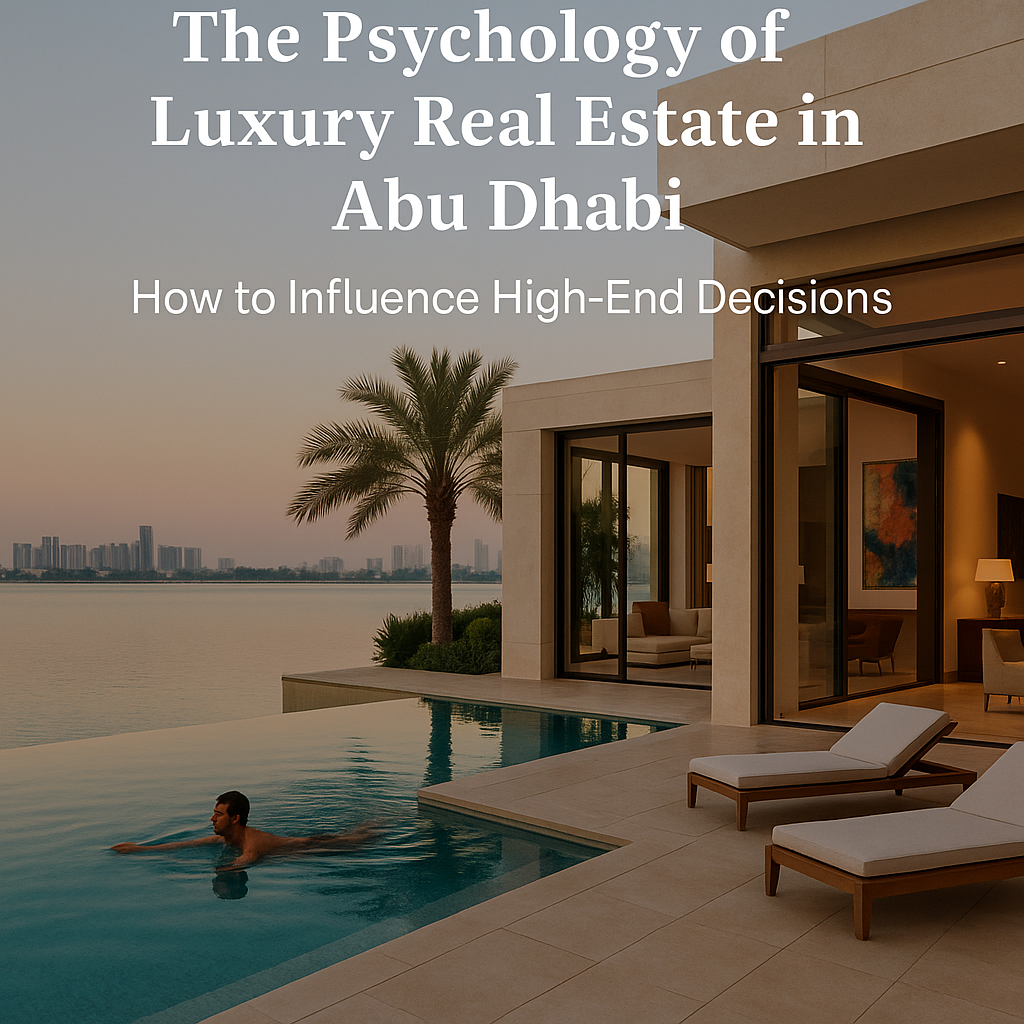
Affluent buyers don’t respond to traditional sales pitches. They want to imagine themselves living the lifestyle: starting the day with a swim in a private infinity pool, entertaining guests in an art-filled living space, or retreating into a tech-integrated villa that balances modern convenience with luxurious ease.
Developers like Aldar and Imkan understand this well, using cinematic video tours, immersive show homes, and lifestyle-driven content to shape emotional narratives around their properties. Storytelling personalizes the offer, triggering emotional buy-in long before negotiations begin.
Read also: “UAE real estate market news 2025“
3. Data Meets Desire: Confidence in Growth
- Emotional appeal matters, but affluent buyers also seek data-backed confidence.
- Steady growth in Abu Dhabi’s luxury market since 2021 shows strong investor interest.
- Golden Visa incentives boost long-term commitment and property ownership.
- High-demand areas like Mamsha Al Saadiyat, Ramhan Island, and Saadiyat Lagoons offer:
- Strong capital appreciation
- Projected ROI of 6–8% annually
- Limited inventory and premium resale value
4. Branded Residences: Trust and Prestige
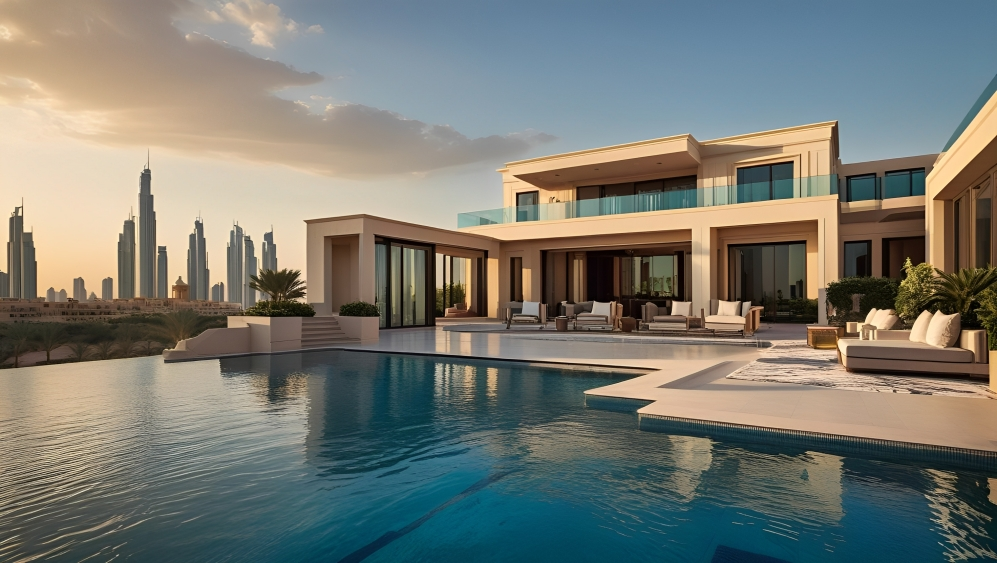
One of the strongest trends in luxury real estate in Abu Dhabi is the growing demand for branded residences. Homes developed in partnership with global icons like The Ritz-Carlton, Nobu, or Elie Saab offer more than just high-end design—they deliver built-in credibility and elevated lifestyle standards.
These properties give buyers confidence that their investment aligns with international quality and service. The brand presence ensures consistency—whether in Abu Dhabi, London, or New York—creating a seamless luxury experience across borders.
For many high-net-worth individuals, a branded residence is more than a home. It’s a symbol of identity and global belonging, reinforcing the emotional and psychological appeal of luxury real estate in Abu Dhabi.
Read also: “UAE real estate market news 2025“
5. Sustainability as a New Luxury Benchmark
In today’s market, buyers of luxury real estate in Abu Dhabi are not only status-driven—they’re sustainability-driven. Green design is no longer optional; it’s a defining feature of modern luxury.
Abu Dhabi is leading the way with eco-conscious communities like Jubail Island, which incorporate solar energy, smart water systems, native landscaping, and LEED-certified architecture. These features appeal to affluent buyers who value environmental responsibility as much as style and comfort.
For this new generation of investors, owning a sustainable home isn’t just a lifestyle choice—it’s a statement. It reflects a commitment to forward-thinking living and adds long-term value to their investment in luxury real estate in Abu Dhabi.
Conclusion
Luxury real estate decisions in Abu Dhabi are shaped as much by mindset as by market trends. Behind every high-end purchase lies a mix of emotional triggers, logical evaluations, and cultural values. Developers and marketers who understand these layers—and craft their strategies accordingly—are the ones who win in this competitive, fast-evolving space.